


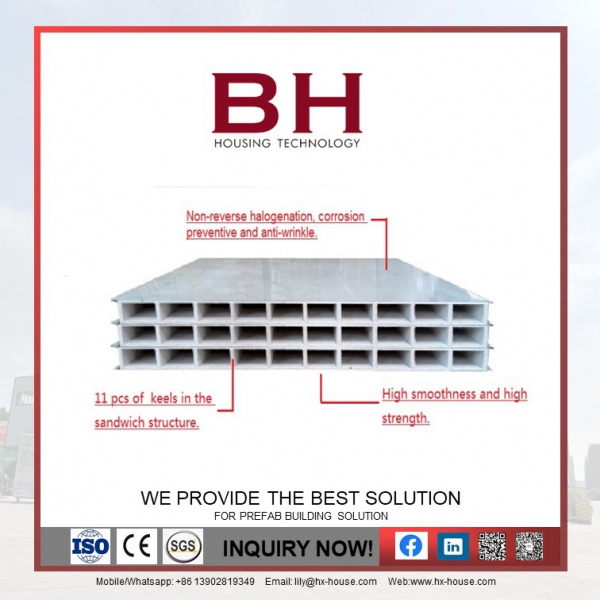
Fireproof MGO sandwich panel cleanroom wall panel
Read More
HOT PRODUCTS
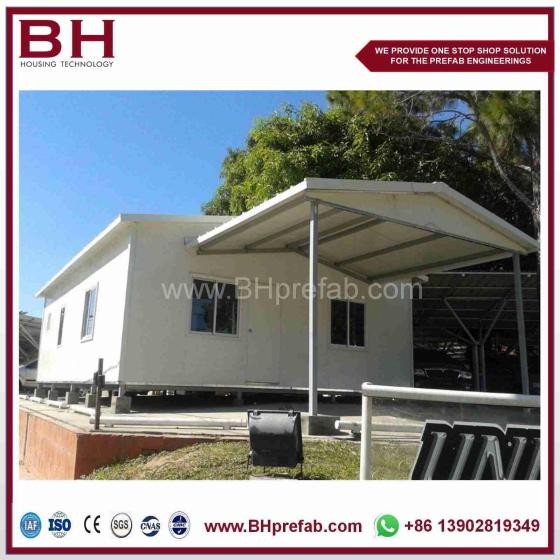
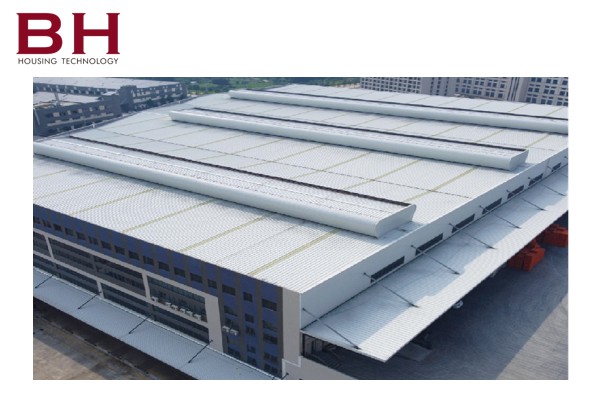
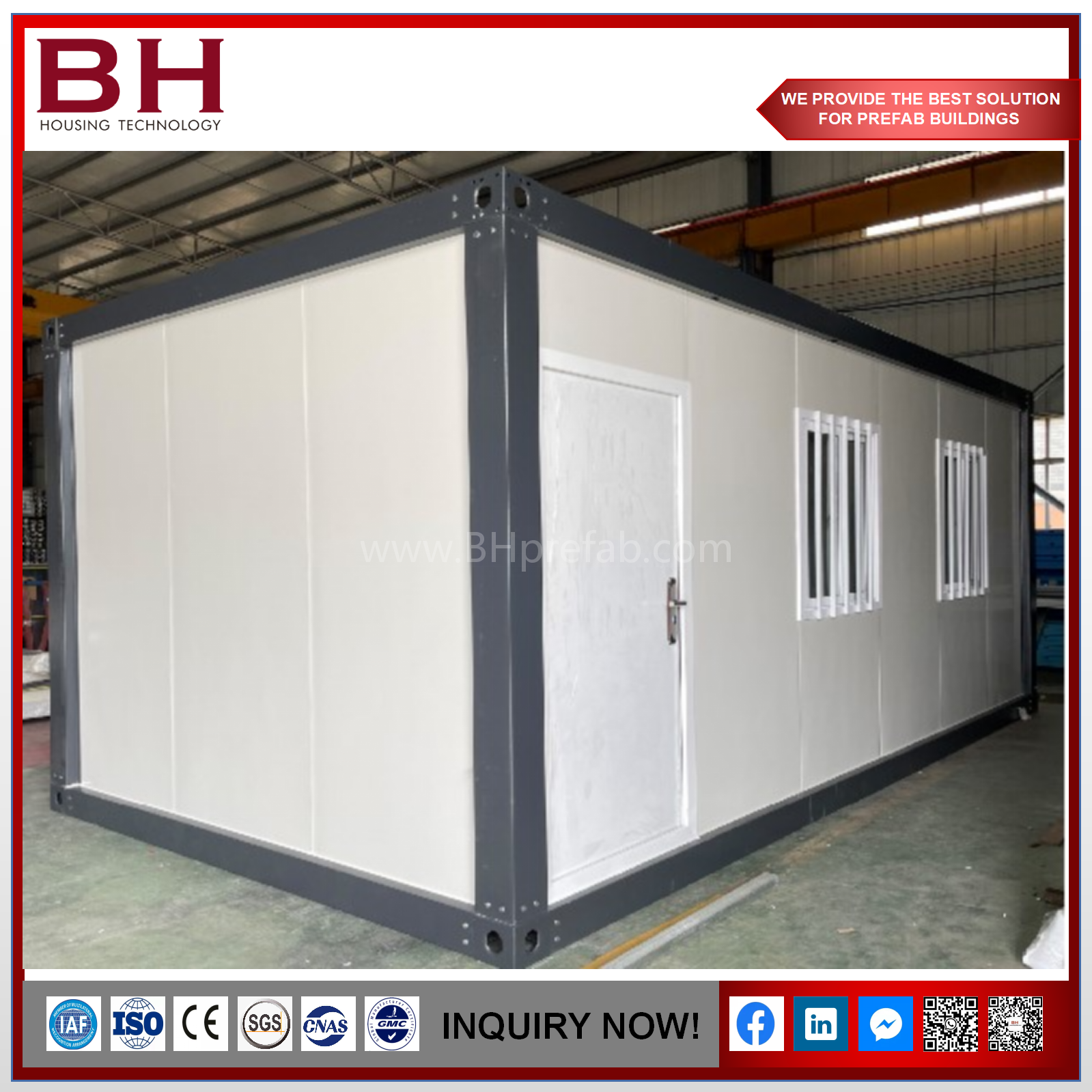
PRODUCT CATEGORIES
HOT PRODUCTS
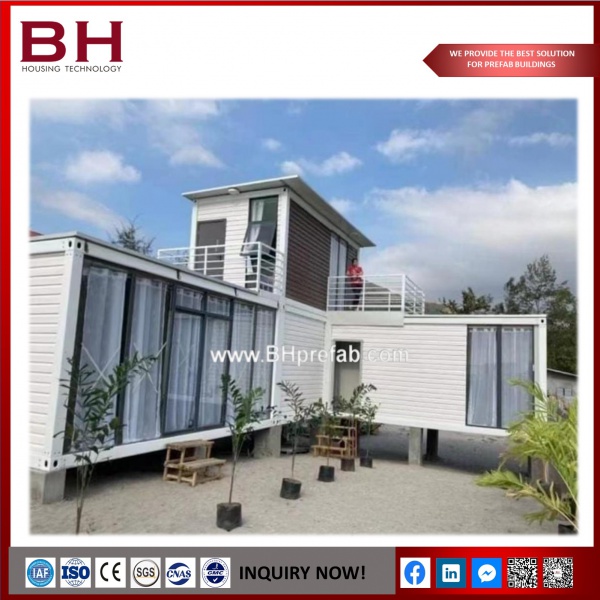
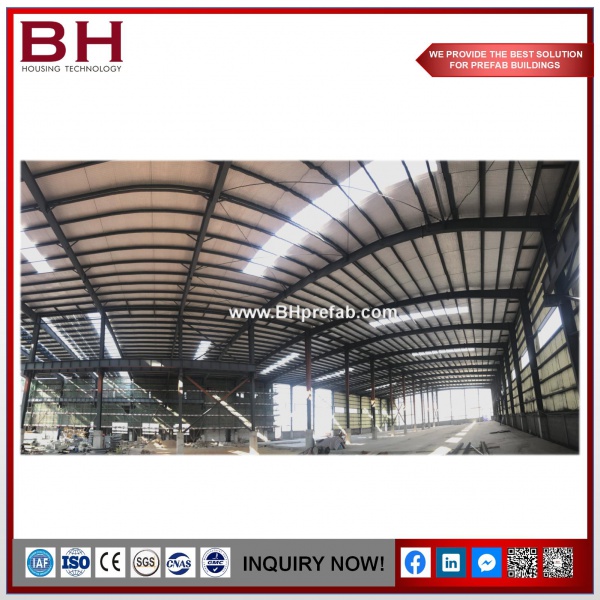
Prefabricated House: Revolutionizing the Construction Industry
Click:
Time:2024-12-09 11:57:44
In recent years, prefabricated houses have emerged as a significant innovation in the field of construction. This article aims to explore the various aspects of prefabricated houses and their impact on the industry.
*What is a Prefabricated House?
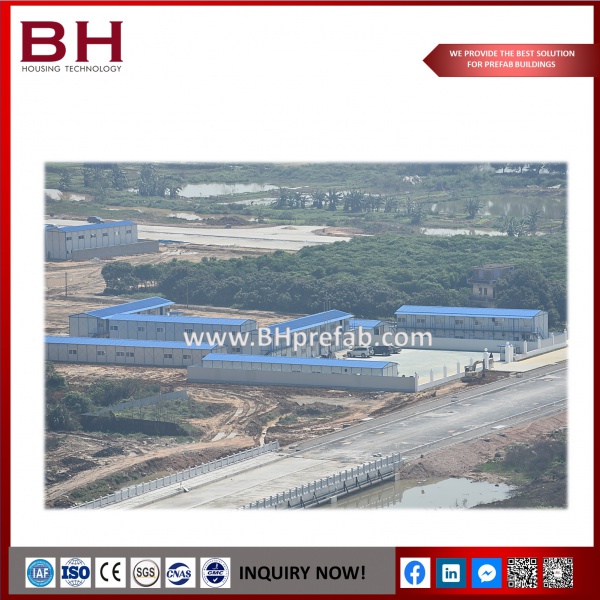
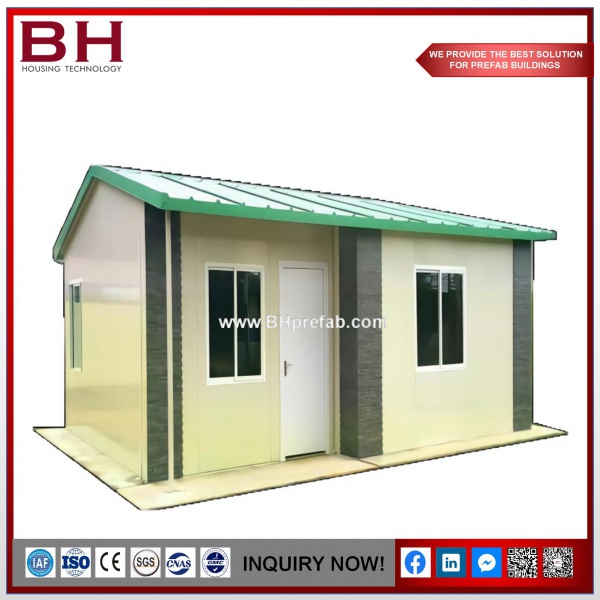
A prefabricated house is a structure that is manufactured and assembled off-site in a factory and then transported to the construction site for installation. These houses are constructed using pre-made components such as walls, floors, and roofs, which are fabricated with precision and quality control.
*Advantages of Prefabricated Houses
1. Time and Cost Efficiency
Prefabricated houses can be constructed in a fraction of the time compared to traditional construction methods. This leads to significant savings in labor costs and reduces the overall project duration.
2. Quality Control
The components of prefabricated houses are produced in a controlled factory environment, ensuring consistent quality and adherence to strict standards.
3. Sustainability
They often incorporate eco-friendly materials and energy-efficient designs, contributing to a more sustainable built environment.
4. Customization
Despite being prefabricated, these houses offer a certain degree of customization to meet the specific needs and preferences of the homeowners.
*Challenges and Limitations
1. Transportation and Logistics
The transportation of large prefabricated components can pose logistical challenges, especially in areas with difficult access.
2. Perception and Acceptance
Some people may have reservations about the durability and aesthetic appeal of prefabricated houses, which can hinder their widespread adoption.
3. Regulatory and Code Compliance
Ensuring that prefabricated houses comply with local building codes and regulations can be a complex process.
*Conclusion
Prefabricated houses represent a promising development in the construction industry, offering numerous benefits in terms of efficiency, quality, and sustainability. While there are challenges to overcome, continued advancements in technology and increased public awareness are likely to drive their growth and acceptance in the future.


GET IN TOUCH

Marketing headquarters: ROOM 1406 , TOWER 1 B, BUILDING 6 ,TIANAN DIGITAL AREA,JIAN PING ROAD,GUICHENG,FOSHAN,GUANGDONG ,CHINA
Workshop A: Shishan industry park, Foshan city, Guangdong province, P.R.China.
Workshop B: Mingu road, Gaoing town, Foshan city, Guandong province, P.R.China.


CONTACT US
You can contact us any way that is convenient for you. We are available 24/7 via Whatsapp, Messenger, email or telephone.


© 2022 Foshan B.H housing technology Company All rights reserved