


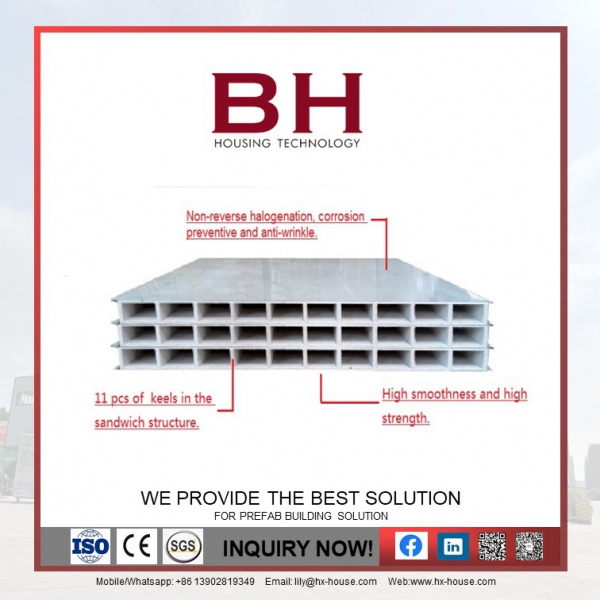
Fireproof MGO sandwich panel cleanroom wall panel
Read More
HOT PRODUCTS
PRODUCT CATEGORIES
HOT PRODUCTS
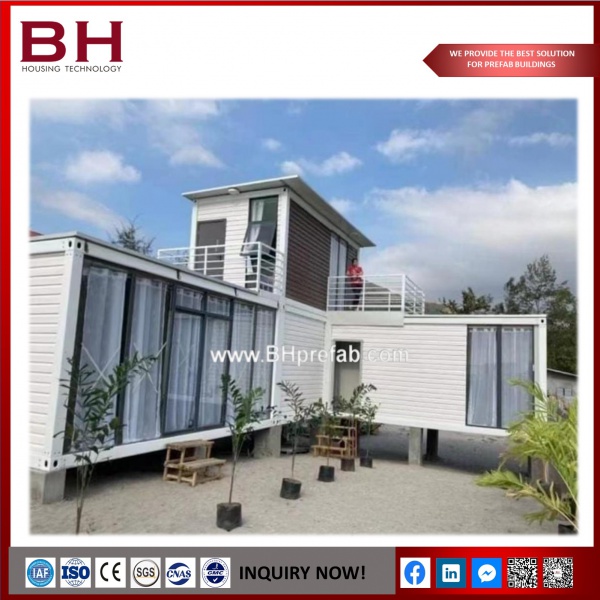
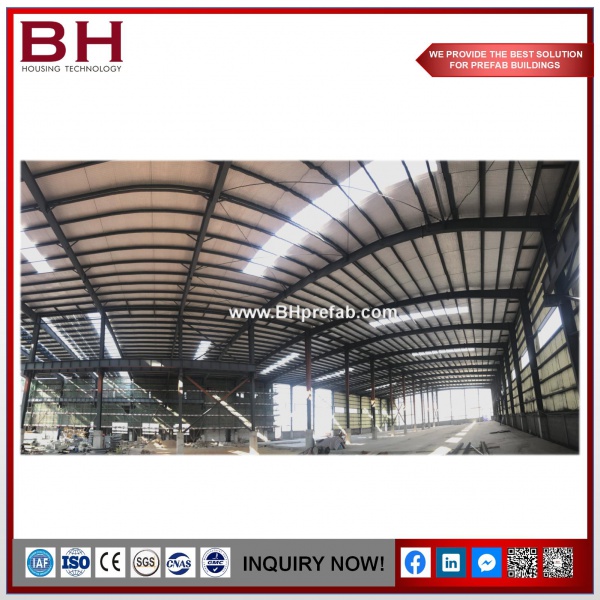
A green future for prefab homes in Australia
Click:
Time:2024-08-29 14:29:11
A green future for prefab homes in Australia
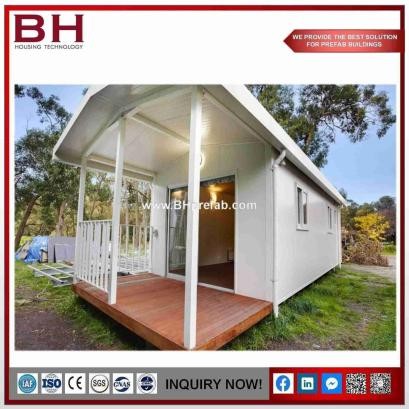
There’s growing popularity of innovation in prefabricated homes around the world. Especially in Australia, though there are many reasons for this growth, sustainable design is one of the most important ones. Builders and living people are starting to realize the importance of using prefab modular construction as a way to build a more sustainable home. This had led to more time and energy being used on sourcing sustainable materials, natural energy options and a real push to minimize impact and waste on the environment.
There a number of benefits to utilizing prefab modular construction for a more sustainable and greener design to minimize the impact on the environment.
Reduce energy consumption
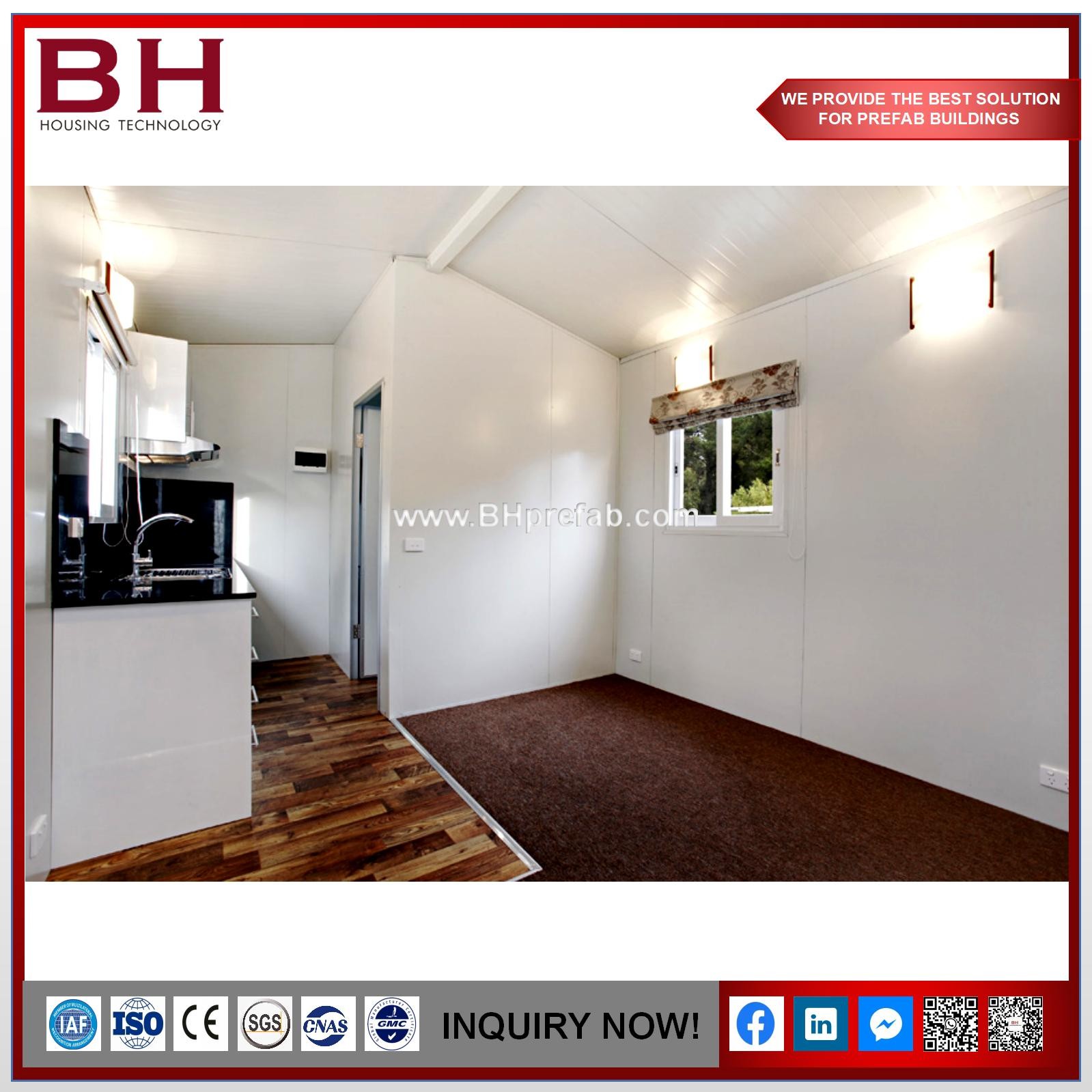
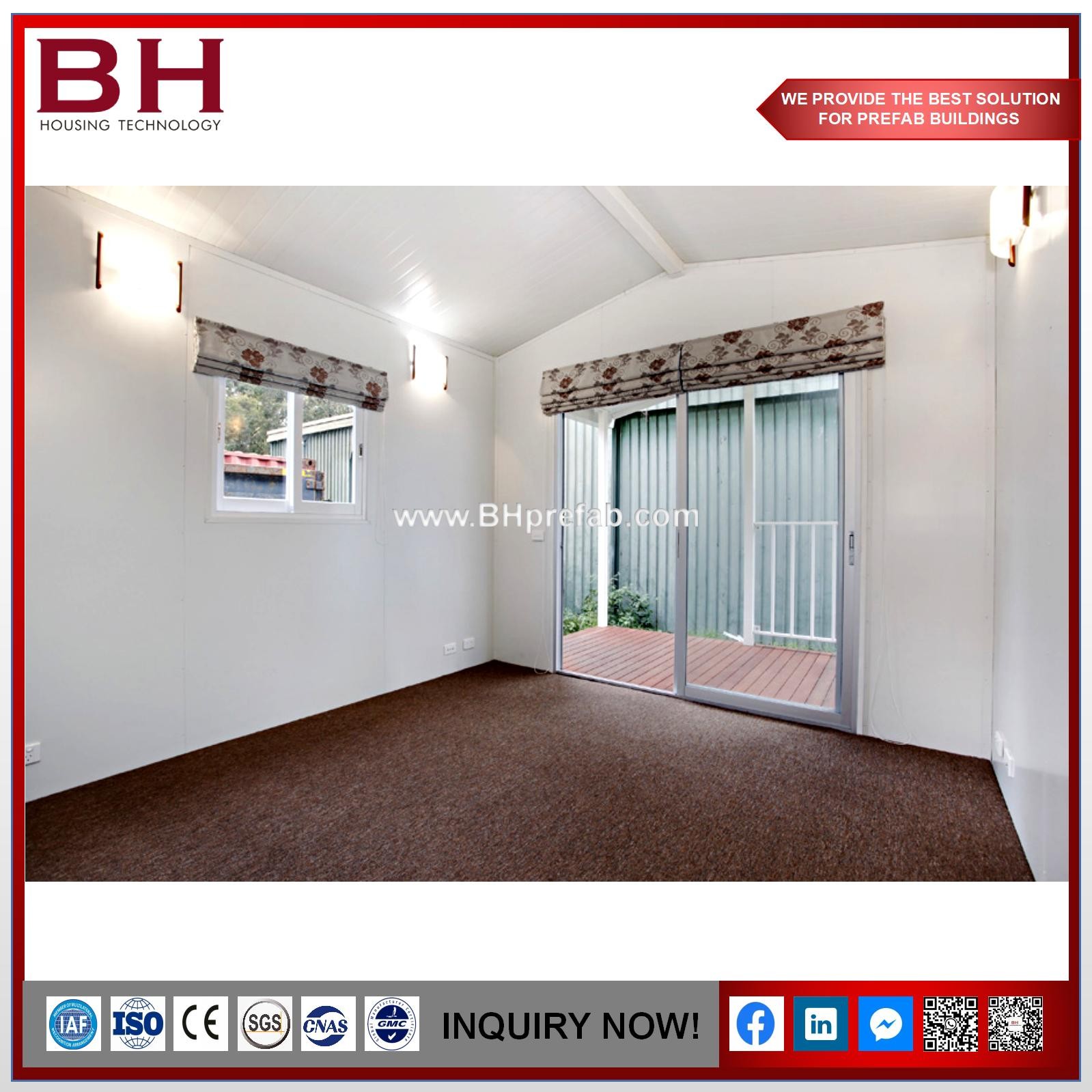
Prefabricated houses pay more attention to environmental protection and energy conservation during production and construction. Factory production reduces the generation of construction waste. At the same time, many prefabricated houses adopt energy-saving designs, such as good thermal insulation performance, efficient energy systems, etc., which help to reduce energy consumption and carbon emissions. This is in line with Australia and the world's pursuit of sustainable development, and also provides residents with a greener and healthier living environment.
Disassembly & Reuse:
Prefabricated components are disassembled and reusable, which makes them easy to disassemble and reuse after the construction project is completed, reducing the generation of waste and the consumption of natural resources.
Affordability
Prefabricated houses also excel in cost control. Factory production can achieve economies of scale, reduce unit costs, and reduce the complexity and uncertainty of on-site construction, thereby effectively controlling the overall construction cost. For countries like Australia where construction costs are high, prefabricated houses provide an effective way to reduce housing costs. In addition, importing prefabricated house materials from low-cost countries such as China will also help further reduce Australia's housing construction costs.
Construction method
Reduce wet work on site: Prefabricated houses are constructed through precise mechanized assembly, which greatly reduces the amount of wet work on site, reduces water consumption and waste generation during construction.
Improve construction efficiency
Since most of the processing work of the components has been completed in the factory, only simple assembly and installation are required on site, so the construction speed is faster and the construction period is shorter. This helps to reduce the impact time of the construction site on the surrounding environment.
Prefabricated houses have achieved the goal of green environmental protection through comprehensive measures in material selection, production process, construction method and post-operation. These measures not only help reduce pollution and damage to the environment, but also help improve the energy-saving performance and resource utilization efficiency of buildings, and promote the sustainable development of the construction industry.


GET IN TOUCH

Marketing headquarters: ROOM 1406 , TOWER 1 B, BUILDING 6 ,TIANAN DIGITAL AREA,JIAN PING ROAD,GUICHENG,FOSHAN,GUANGDONG ,CHINA
Workshop A: Shishan industry park, Foshan city, Guangdong province, P.R.China.
Workshop B: Mingu road, Gaoing town, Foshan city, Guandong province, P.R.China.


CONTACT US
You can contact us any way that is convenient for you. We are available 24/7 via Whatsapp, Messenger, email or telephone.


© 2022 Foshan B.H housing technology Company All rights reserved