


Fireproof MGO sandwich panel cleanroom wall panel
Read More
HOT PRODUCTS
PRODUCT CATEGORIES
HOT PRODUCTS
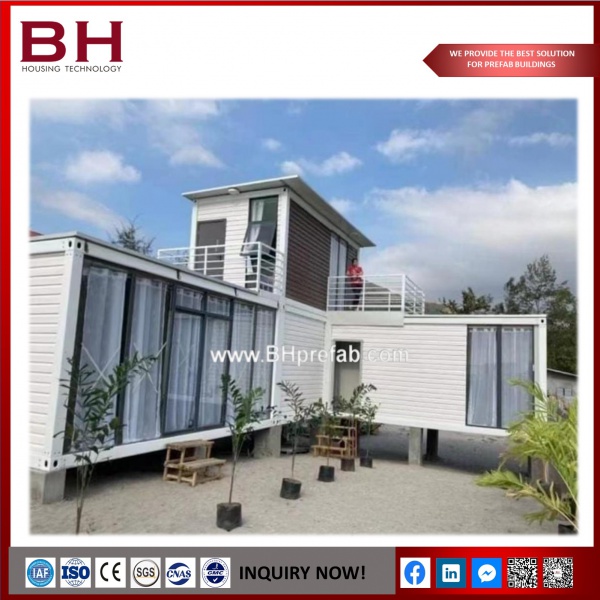
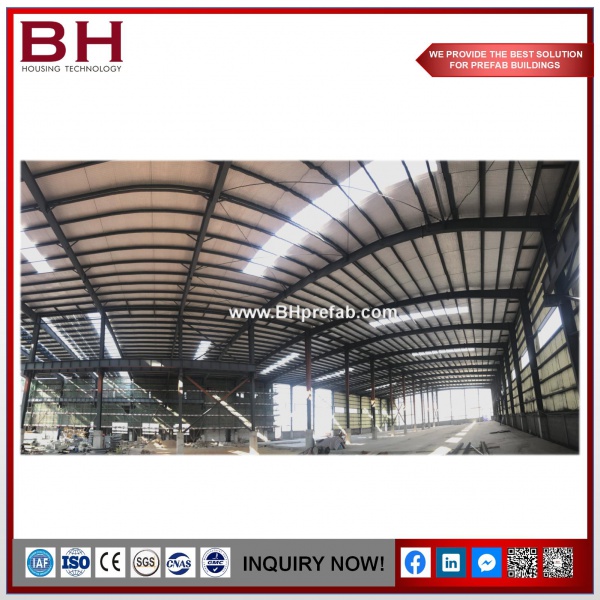
Modular house/detachable container/affordable house
Click:
Time:2024-09-20 14:12:20
Modular Houses-The Future of Affordable Living
In today's day and age, affordable and eco-friendly living are on people's minds, and it's moving in an upward trend. Waste rubble from abandoned and demolished buildings are a real problem in cities around the globe.
What is one solution that solves this environmental and spatial issue?
Modular houses.
They are a new and trending way to utilise space in the most efficient manner possible.
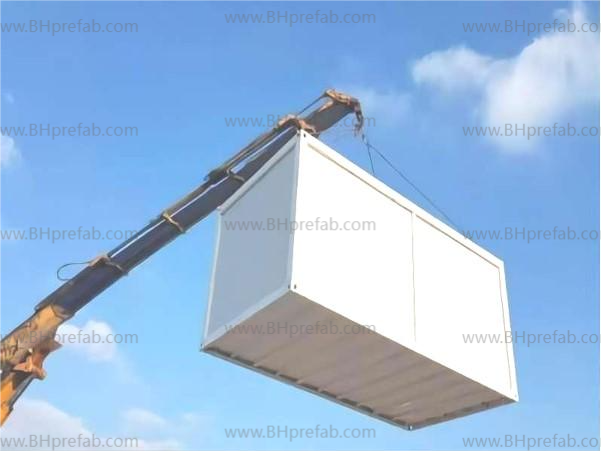
With modular (also referred to as detachable container) buildings' ability to be taken down and re-assembled in a matter of hours, this saves countless hours of manpower and construction.
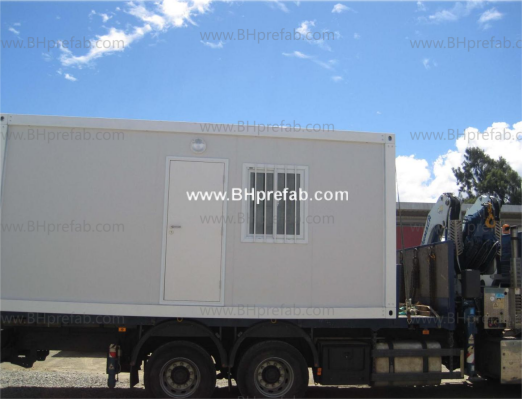
Modular, detachable container make it easy to pick up, place on a truck, and transport anywhere across the country.
These types of buildings also make it easy for people with land looking for an affordable secondary living space, or rental unit.
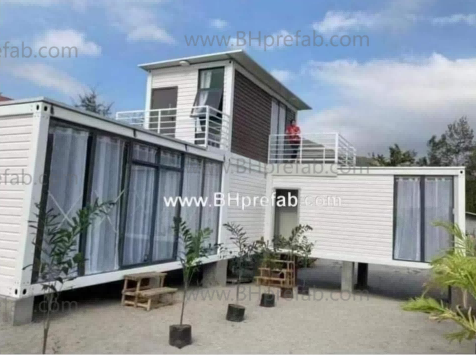
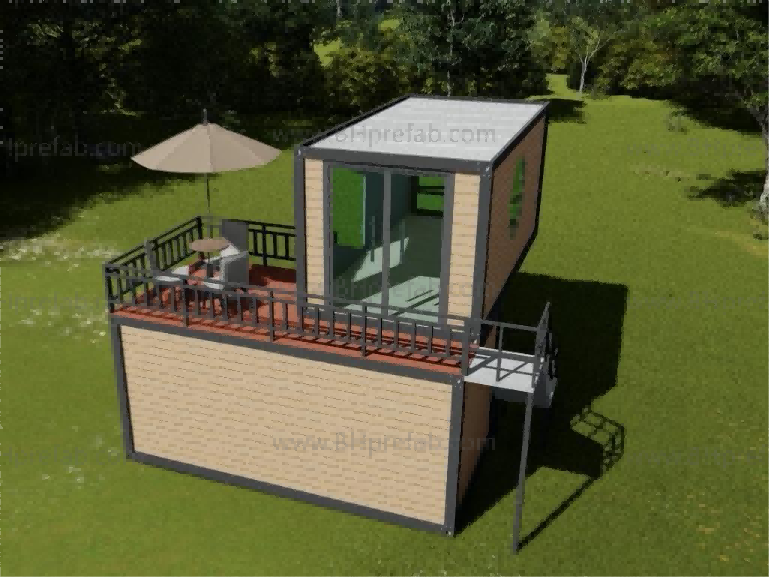
What are modular houses?
Modular houses are, put simply, boxes that can be attached, assembled, disassembled and relocated with relative ease.
These boxes, otherwise known as containers, or container homes, can easily be fitted out with custom flooring, appliances, and furniture to one's liking.
Like an actual shipping container, these modular houses are the same size, and are compatible to be transported on the back of transport trucks with ease.
What does modular housing bring to life?
Addressing the Housing Crisis
With rising property prices and stagnant wages, many communities are struggling to provide affordable housing options. Modular buildings offer a viable solution by delivering cost-effective homes quickly. They can be deployed in areas with high demand, such as urban centers or disaster-stricken regions, providing immediate relief.
Real-World Applications
Cities around the globe are beginning to recognize the potential of modular construction. For example, in countries like Sweden and Japan, modular homes are being integrated into urban planning to address housing shortages. In the United States, cities like Los
Angeles and New York are exploring modular solutions for affordable housing projects.
Challenges Ahead
Despite their many benefits, modular buildings do face challenges. Perceptions about quality and aesthetics can hinder acceptance. Additionally, local zoning laws and building codes may not always accommodate modular construction, creating bureaucratic hurdles.
Modular houses represent a forward-thinking approach to the housing crisis, combining affordability with efficiency and sustainability. As technology advances and societal attitudes shift, modular construction may well redefine the landscape of affordable living, making it an integral part of future urban development. With continued investment and innovation, modular buildings could pave the way for a more accessible and sustainable housing market for all.


GET IN TOUCH

Marketing headquarters: ROOM 1406 , TOWER 1 B, BUILDING 6 ,TIANAN DIGITAL AREA,JIAN PING ROAD,GUICHENG,FOSHAN,GUANGDONG ,CHINA
Workshop A: Shishan industry park, Foshan city, Guangdong province, P.R.China.
Workshop B: Mingu road, Gaoing town, Foshan city, Guandong province, P.R.China.


CONTACT US
You can contact us any way that is convenient for you. We are available 24/7 via Whatsapp, Messenger, email or telephone.


© 2022 Foshan B.H housing technology Company All rights reserved