


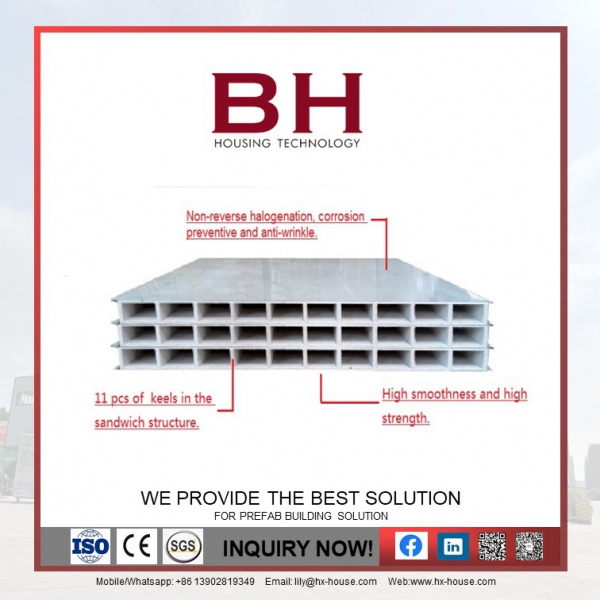
Fireproof MGO sandwich panel cleanroom wall panel
Read More
HOT PRODUCTS
PRODUCT CATEGORIES
HOT PRODUCTS
The benefits of modular architecture
Click:
Time:2024-10-31 17:30:32
The benefits of modular architecture
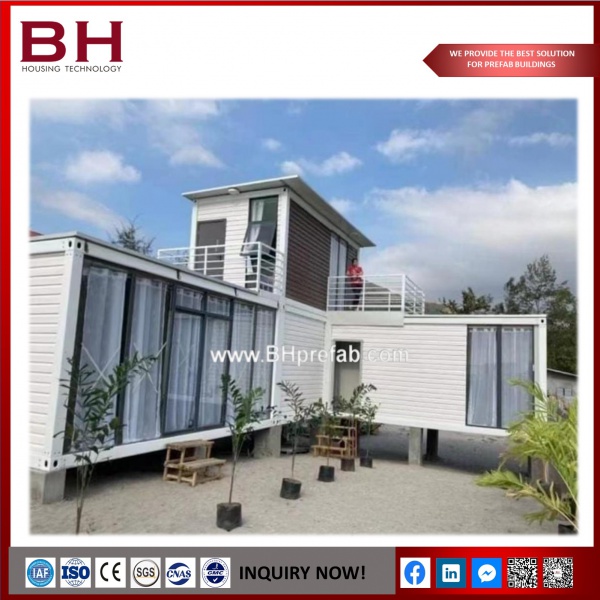
Modular architecture, also known as modular or modular design, is a technique widely used by industries such as engineering and manufacturing. This approach involves breaking down a system or project into smaller, independent units, called modules. Each module has a specific purpose and can be developed independently while still integrating seamlessly with other modules. There are many benefits to using modular architecture.
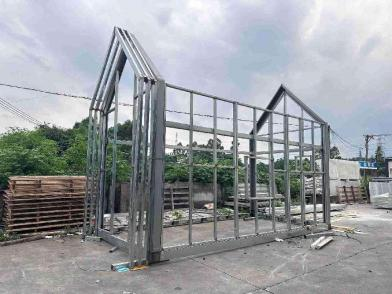
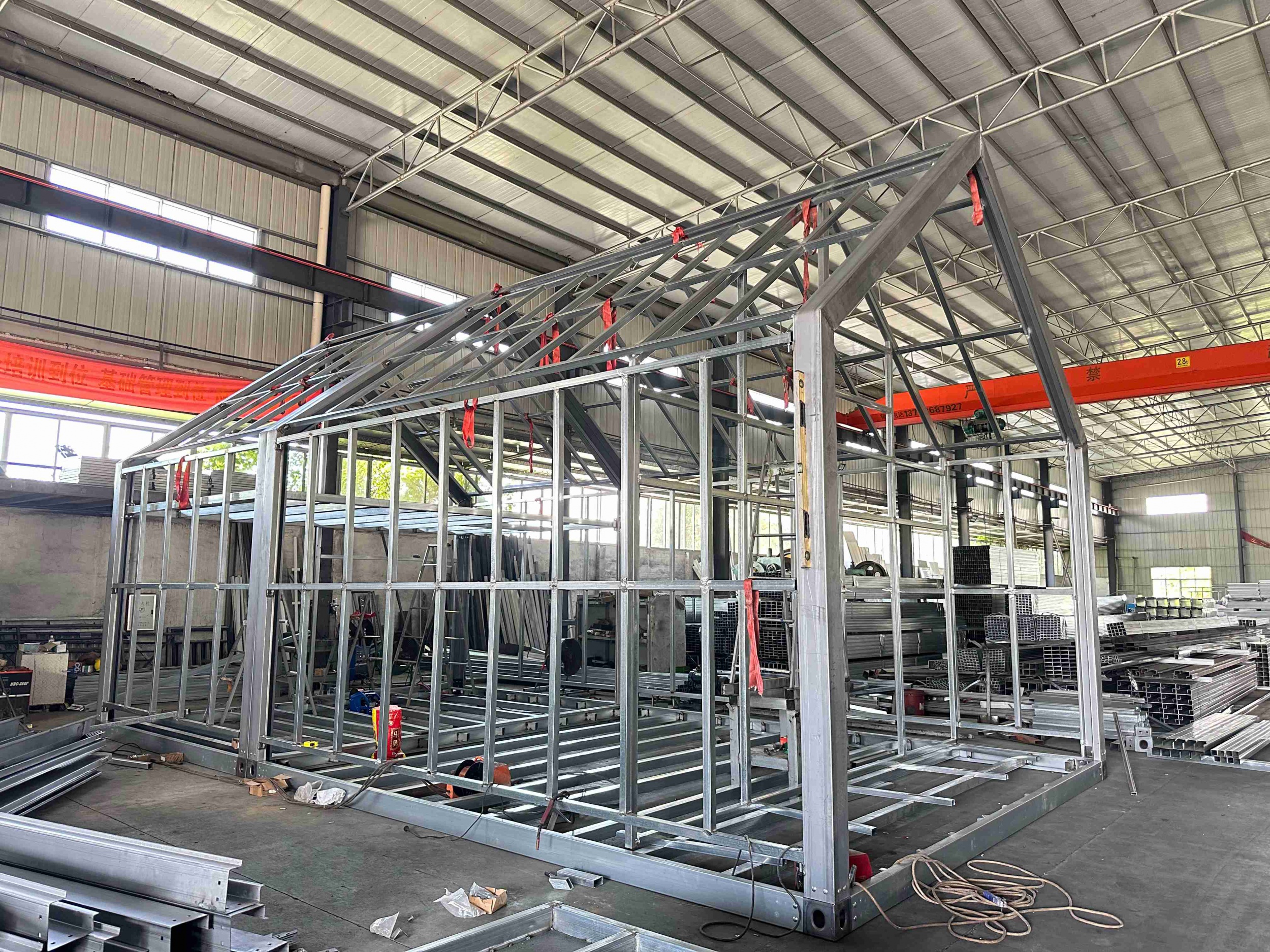
1. Speed of construction: Modular construction is faster than traditional, site-built homes or buildings. Since much of the construction takes place in a factory, there are no worries about weather-related delays or other site-specific issues. As a result, modular homes and buildings can be completed in weeks, not months.
2. Cost-effectiveness: Modular construction is less expensive than traditionally built homes or local buildings. This is because the construction process is more streamlined, requiring fewer workers on site, and the use of factory-produced modules reduces waste and errors during construction. Additionally, the materials used in modular construction are generally more environmentally friendly and durable, which can reduce overall costs.
3. High quality: The construction of modular homes and buildings takes place in a factory, which allows for better control over quality and precision. Construction quality tends to be very high, and the modules are built according to national and local building codes and standards. Additionally, modular homes are often more energy efficient in design and construction than traditional homes or buildings, which can save costs and have less impact on the environment in the long run.
4. Flexibility: Modular buildings offer a high degree of flexibility in design and construction. Since the modules are prefabricated in a factory, it is easy to change the design or add additional components to the structure. As a result, modular buildings are well suited to both single-family homes and large commercial buildings.
5. Sustainability: Traditional construction methods are often less environmentally friendly than modular buildings. This is because modular buildings often use sustainable and environmentally friendly materials, and the construction process produces less waste than traditional construction methods. Additionally, energy-efficient modular building designs often reduce long-term expenses and reduce carbon footprints.


GET IN TOUCH

Marketing headquarters: ROOM 1406 , TOWER 1 B, BUILDING 6 ,TIANAN DIGITAL AREA,JIAN PING ROAD,GUICHENG,FOSHAN,GUANGDONG ,CHINA
Workshop A: Shishan industry park, Foshan city, Guangdong province, P.R.China.
Workshop B: Mingu road, Gaoing town, Foshan city, Guandong province, P.R.China.


CONTACT US
You can contact us any way that is convenient for you. We are available 24/7 via Whatsapp, Messenger, email or telephone.


© 2022 Foshan B.H housing technology Company All rights reserved