


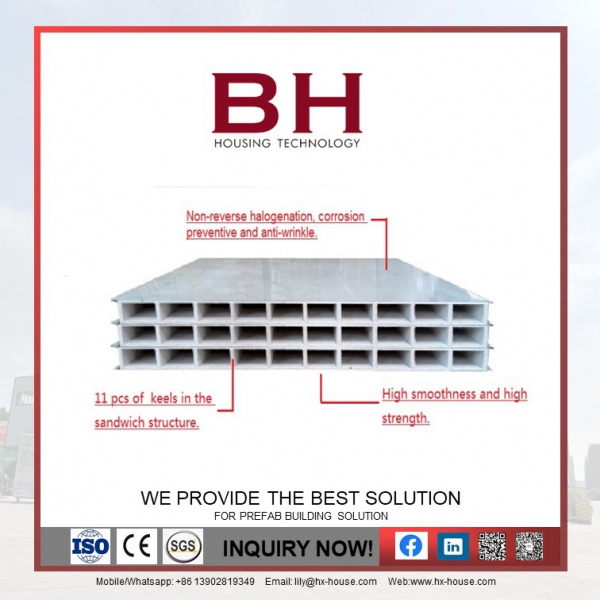
Fireproof MGO sandwich panel cleanroom wall panel
Read More
HOT PRODUCTS
PRODUCT CATEGORIES
HOT PRODUCTS
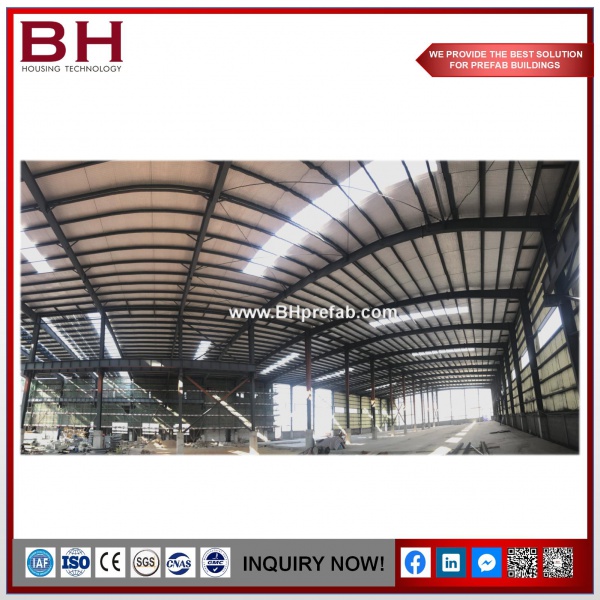
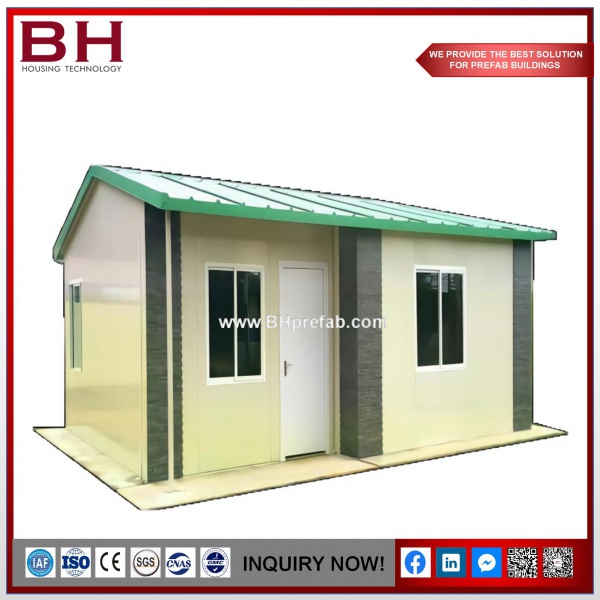
Understanding low cost prefabricated housing
Click:
Time:2024-11-04 17:09:17
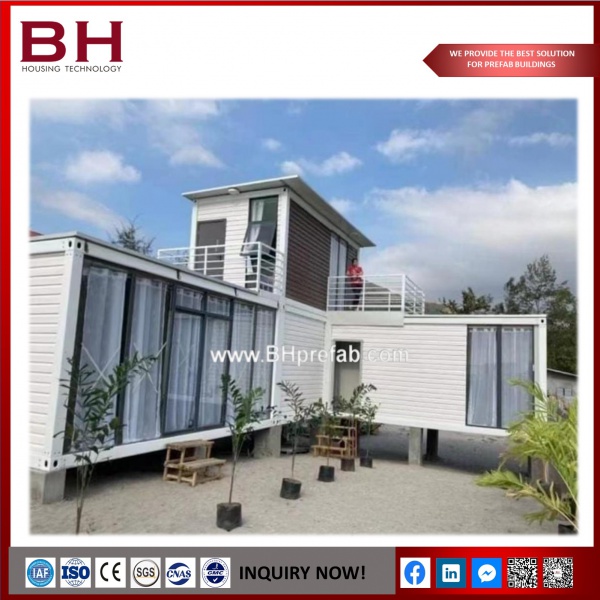
Many people dream of owning a villa, and with the rise of modular and prefabricated construction technology, building one has become easier and faster than ever.
As awareness of environmental concerns associated with traditional construction methods grows, more aspiring homeowners are opting for prefabricated homes. If you're unsure what a prefabricated villa is or how this construction technology works, here’s a quick overview.
What is Prefabricated Construction?
Prefabricated construction is an innovative approach in which various parts or modules of a home or building are manufactured off-site in a factory. These components are then transported to the construction site for final installation, assembly, and finishing.
Benefits of Prefabricated Construction:
Consistent Quality & Quality Control
The use of factory tools in prefabrication ensures higher quality assurance compared to traditional on-site construction. Components are produced in a controlled manufacturing environment that adheres to specified standards, resulting in uniform quality. In contrast, on-site construction often involves workers with varying skill levels, while prefabricated construction relies on experienced workers in weather-controlled settings.
Easy to Move
Another significant advantage of prefabricated solutions is the ease of assembly and disassembly, allowing components to be relocated with minimal effort. Many contractors and homeowners prefer prefabricated methods because they offer the flexibility to design homes tailored to specific needs without limiting creativity.
Eco-Friendly Construction
Prefabricated and modular buildings are more environmentally friendly in both the short and long term compared to traditional construction. Traditional methods often require more materials, many of which are non-biodegradable and non-recyclable, leading to increased waste. In contrast, prefabrication uses recyclable materials, significantly reducing environmental impact, while traditional construction waste typically ends up in landfills.


GET IN TOUCH

Marketing headquarters: ROOM 1406 , TOWER 1 B, BUILDING 6 ,TIANAN DIGITAL AREA,JIAN PING ROAD,GUICHENG,FOSHAN,GUANGDONG ,CHINA
Workshop A: Shishan industry park, Foshan city, Guangdong province, P.R.China.
Workshop B: Mingu road, Gaoing town, Foshan city, Guandong province, P.R.China.


CONTACT US
You can contact us any way that is convenient for you. We are available 24/7 via Whatsapp, Messenger, email or telephone.


© 2022 Foshan B.H housing technology Company All rights reserved